


It's not a hostel. And it's not a hotel
"It's not really a hostel"—is something guests here say almost every time, usually when they're explaining to someone back home where they're staying. They're right. It isn't. But it took them arriving to understand why.
There's a particular kind of traveller who has stopped finding hotels fully satisfying, not because they're bad, but because they're complete. Everything managed, everything smoothed out, the city existing somewhere beyond the lobby. You could be anywhere.
You've probably also looked at hostels and thought: not anymore. Or simply: not quite. Not necessarily because of the price, because something about the setup, the energy, the whole logic of it doesn't fit where you are now.
That gap has a name in Spain. It's called a hostál.
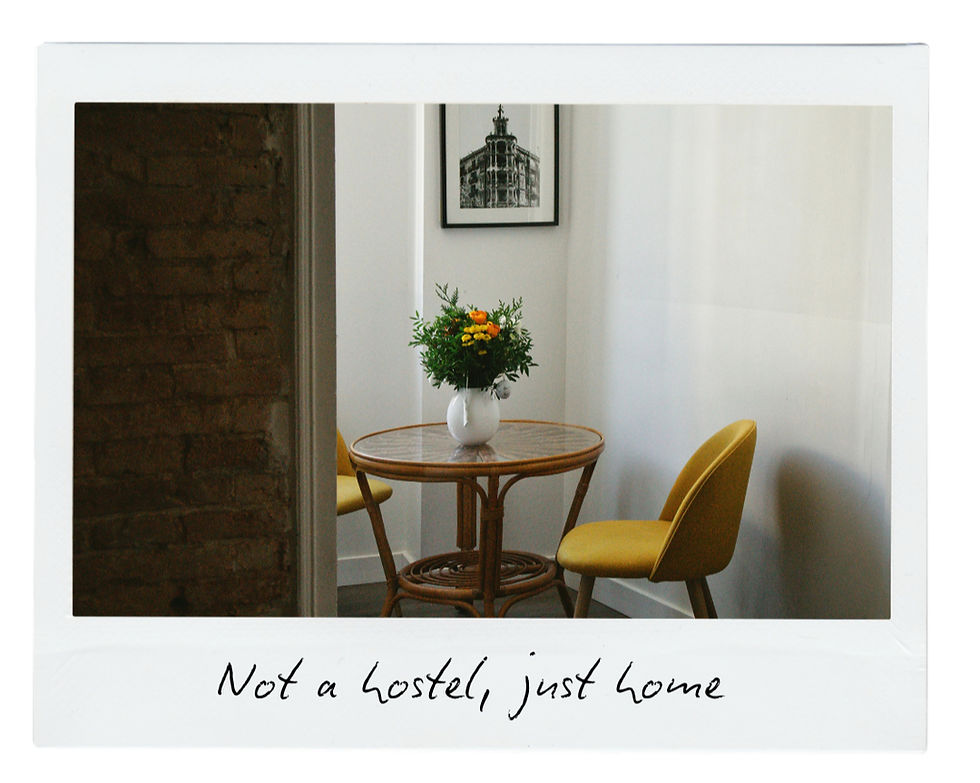
It's not a hostel. And it's not a hotel. What a hostal actually is
A hostal in Spain is something between a private guest house and a small hotel, usually inside a historic building, almost always family-run, and without the infrastructure that makes larger places feel institutional. No lobby to pass through, no system to navigate.
Hostal Girona has been exactly that for decades: on Carrer de Girona, in a 19th-century Modernist building that was a family home long before it welcomed guests.
The building, since 1888
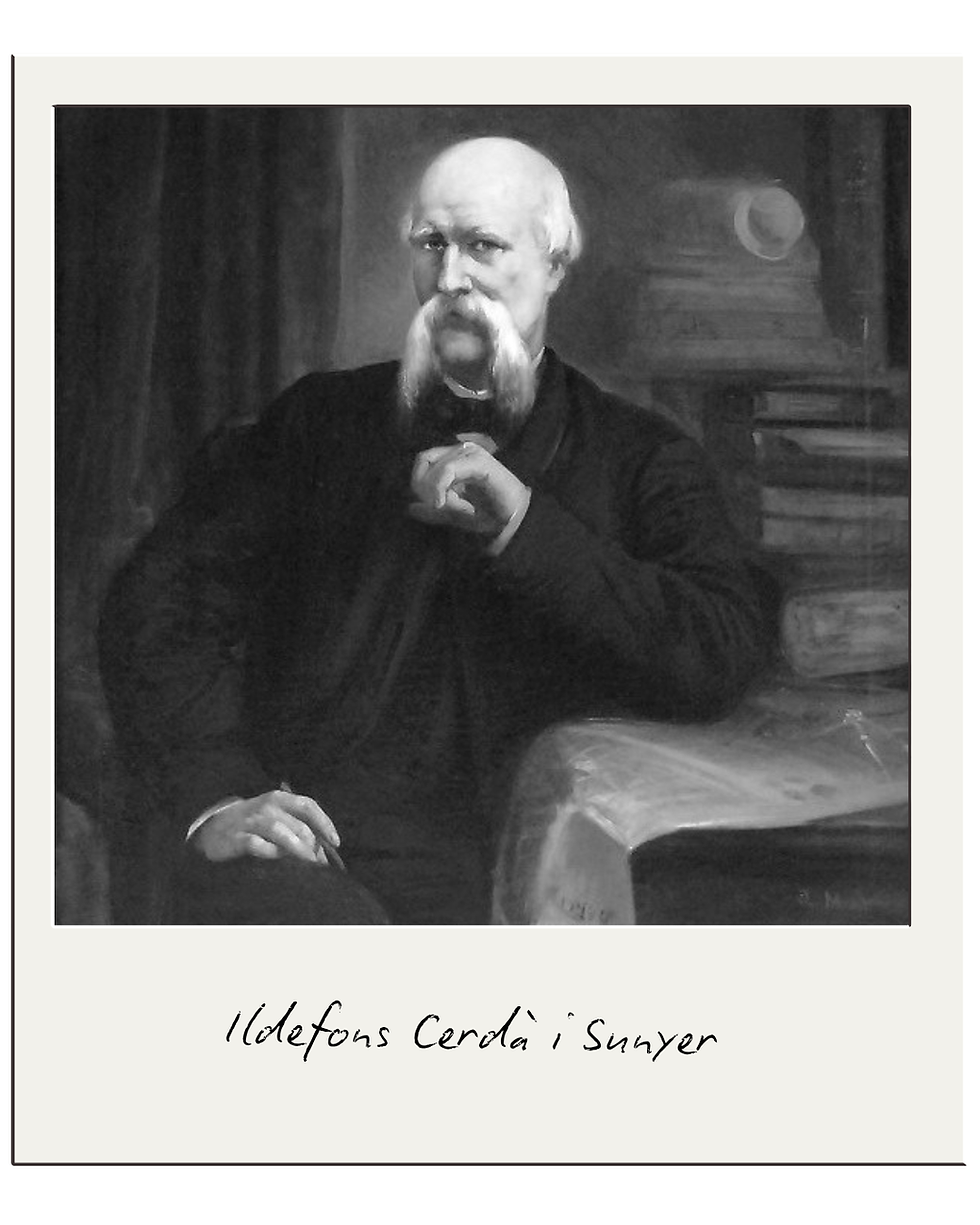
The building dates to 1888. You'll find the year in the name. It
stands on a street that Ildefons Cerdà drew into existence when he designed the Eixample grid —a story worth reading in full in our piece on [The Birth of the Eixample: Barcelona's Most Iconic Neighbourhood].
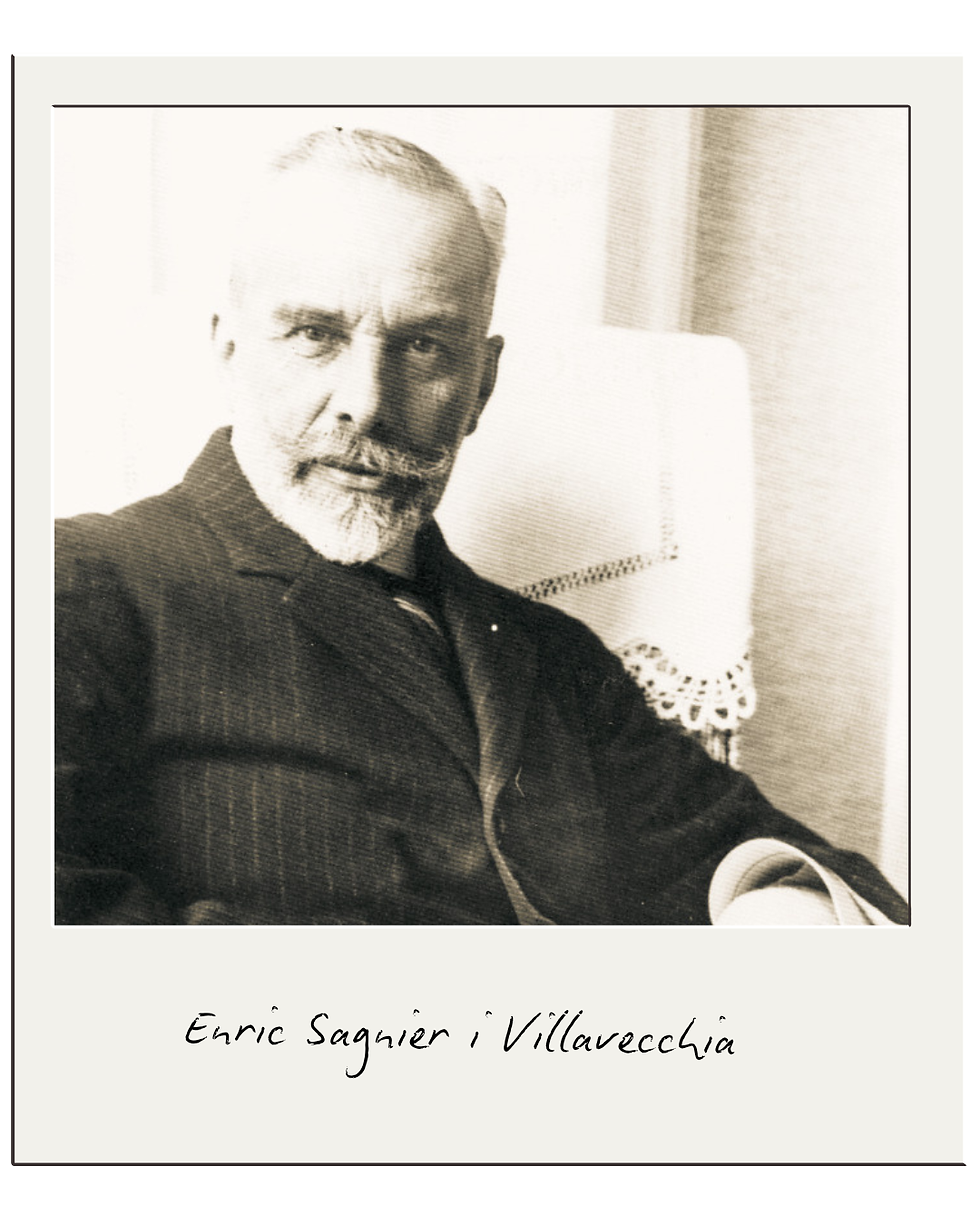
The building itself was designed by Enric Sagnier, one of the most prolific architects of Barcelona's Modernist moment,
whose work is part of a broader movement that goes well beyond the famous landmarks something we explore in [Catalan Modernisme:More Than Mosaics].
Somewhere between those two men —the engineer who imagined the city's shape and the architect who filled it in, a third figure
appears by the entrance to our floor: Fèlix Cardellach, architect,
engineer, and one of the people who brought the elevator to
Barcelona. His family installed the original one here. It still runs.
Inside, the hallway walls hold paintings from the previous owner: abstracts, personal things, chosen for reasons that were never meant to be explained. In each room, black and white photographs of Barcelona by a local photographer: views of the city specific enough to make you want to find the exact spot. None of this was assembled. It accumulated.
Life in the building
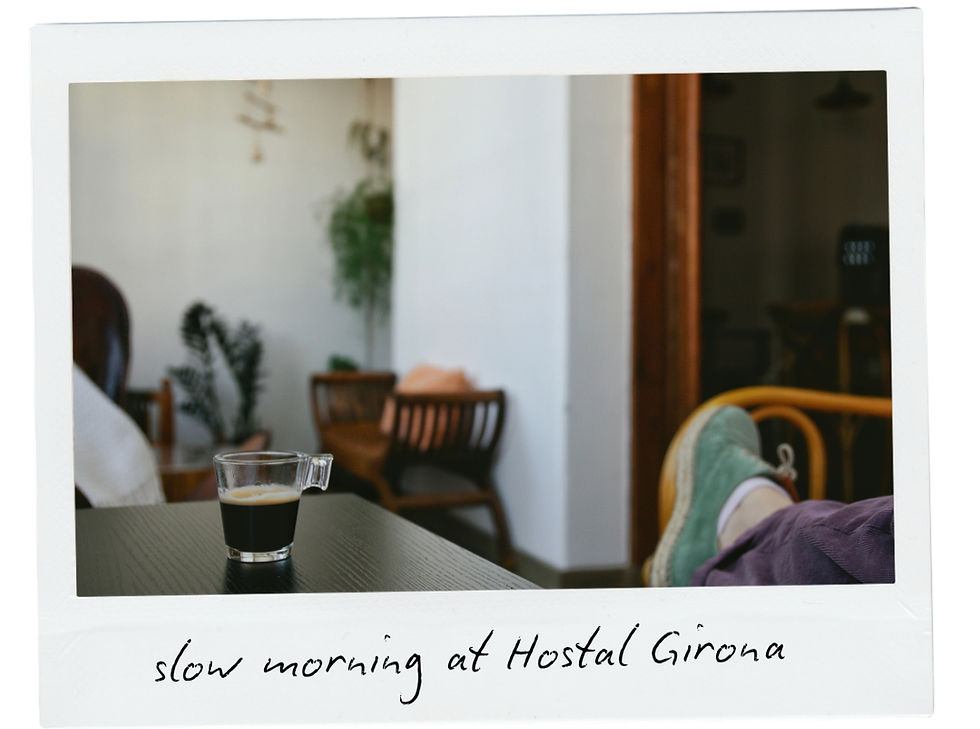
Breakfast runs from 7:30 to 10:30, but the dining room doesn't really close. Coffee, tea, water and a large shared fridge are there whenever you need them. Some guests set up at the table to work
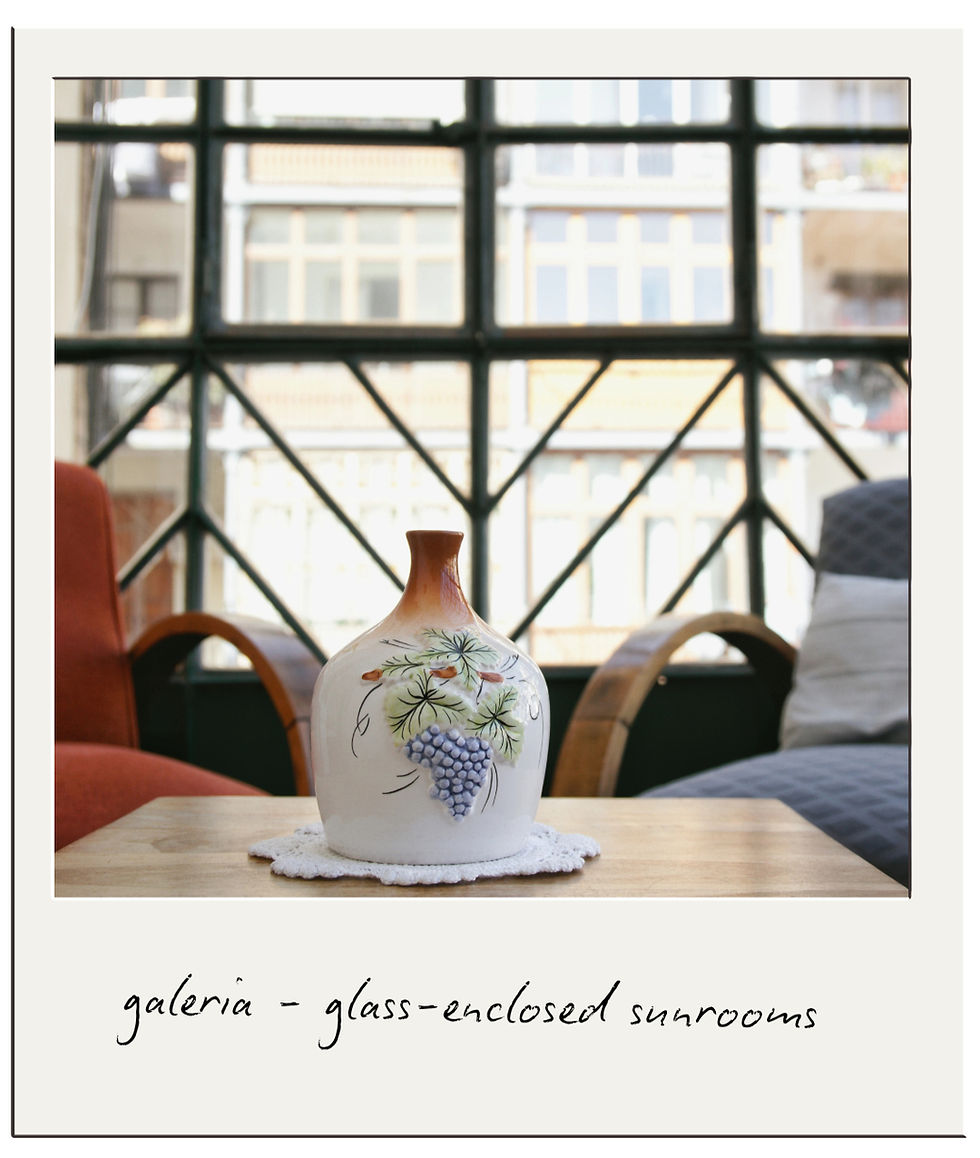
before heading out. Others come back in the afternoon and sit in the galería. It's a common room in the original sense: a place that belongs to whoever is using it.
The building has its own rhythm beyond that. On weekday mornings the concierge is here; a long-time friend of the family, someone who knows the elevator's particular personality and tends to know what you need before you've quite figured it out yourself.
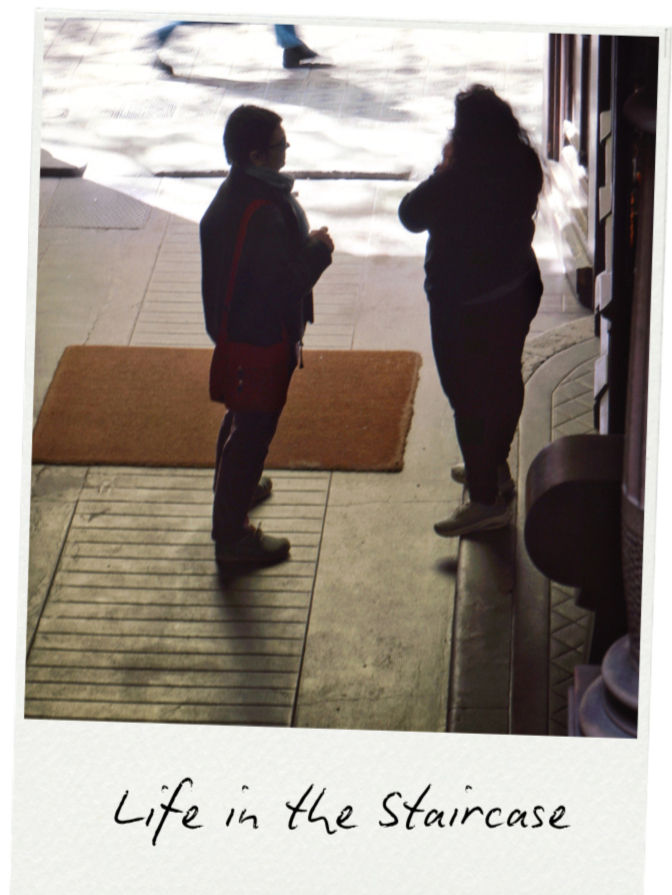
On the stairs you cross neighbours who actually live here. In Spain people say hello: hola, or bon dia in Catalunya, and often they say more than that. For the few days you're here, you're not a guest passing through. You're closer to someone who lives on this floor for a while.
Local knowledge, no script
The people who work here come from different places originally,
which turns out to be useful, because so do the guests. But everyone has lived in Barcelona long enough that the city is genuinely theirs. They know the neighbourhood the way you only do when you've spent years in it: which market is worth the detour, where to sit with a coffee without feeling processed, what's worth booking weeks ahead and what you can simply walk into.
That knowledge runs through everything we write: from quieter corners like [Barcelona for Book Lovers: A Quiet Reading Route] to the practical things that matter before you even arrive, like [Driving to Barcelona: ZBE Rules, Parking Tips & Local Advice].
If you have a question you ask, and you get an answer from someone who was probably in that same spot last weekend. No script, no particular protocol. That's the extent of it.
Before you book

A word about what this building actually sounds like worth saying plainly, because it matters to some people more than others.
Old buildings carry sound differently to modern ones. Not loudly, but honestly. A conversation drifting from the hallway, a door closing one floor up, the particular groan of the elevator descending.
For some travellers this is part of what they came for —the unscripted soundtrack of a building being lived in. For others, silence is part of what rest means.
If that's you, a modern hotel will serve you better, and there's no shame in that.
Choosing your room
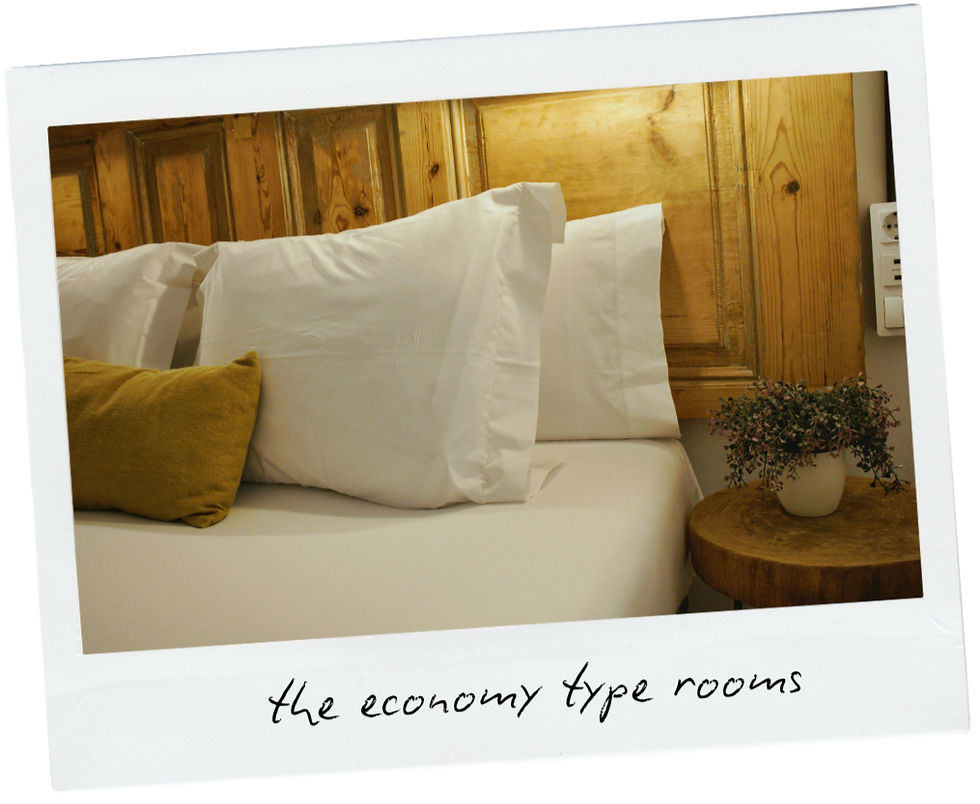
No two rooms here are the same, which is either the charm or the complication depending on how you look at it. Because the original layout was kept, each room has its own proportions, its own light, its own relationship to the building and the street. The choice is worth making consciously.
The superior rooms are the most generous: balconies over the street or galerías facing the quiet interior courtyards of the Eixample, the kind of light that changes through the day.
The standard rooms sit between: a bit more space, without necessarily the defining view.
The economy rooms are the smallest, between 10 and 12 square metres: enough to sleep well, right for someone who uses the room as a base and saves the budget for the city itself.
On the first floor, every room has a full private en-suite. On the second, rooms have their own shower and sink but share two toilets in the hallway between eight rooms, which in practice is rarely an issue, and makes a balcony room considerably more affordable.
Book directly and as early as possible. If you're unsure which room fits you best, call, write and ask, it's worth getting right before you arrive.
Hostal Girona suits anyone who finds that the most interesting part of a city is rarely the sight itself but the street on the way there. Who doesn't need to be managed, but appreciates knowing there's a real person to ask. Who can hear a door close one floor up at
midnight and not mind, because it means they're somewhere actual.
If that sounds like you, this is probably your place in Barcelona. And a good place to start is the street outside the door:


Comments